ADA Portable Restroom Rental List for Availability Compliance
Renting mobile bathrooms seems basic until you are the individual in charge of making sure everybody can really use them. That is often where stress creeps in. Event organizers, residential or commercial property supervisors, institution team, church volunteers, districts, and entrepreneur typically have a dozen moving components at once. Portable hygiene gets appointed to a vendor, a delivery date obtains booked, and everyone thinks the obtainable device question is managed. In some cases it is. Occasionally it is not.
That gap matters since ease of access is not an ornamental upgrade or a politeness attribute. If mobile commodes are provided to the public, ease of access has to become part of the strategy from the start. The controlling federal criterion in the USA is the 2010 ADA Standards for Accessible Layout, as translated by the Department of Justice and the Access Board. For mobile single-user toilet clusters, at least 5 percent of the units in each collection have to be accessible, and the Accessibility Board explains that this applies also at temporary events.
That one rule alone answers a surprising variety of questions, yet not every one of them. A certified setup has to do with more than purchasing one bigger system and calling it done. Placement, route, entryway, clear floor room, transforming space, component clearances, door navigating clearances, and called for attributes such as grab bars all enter play. In practice, many conformity issues occur outside the device as usually as inside it. A restroom can be marketed as an ada easily accessible mobile restroom and still end up being unusable if it is gone down onto soft ground, blocked by secure fencing, or approached by a steep short-term ramp that does not satisfy the technical requirements.
If you need a functional means to assess your service before delivery day, the checklist below will certainly maintain you focused on the concerns that matter most.
The checklist that catches most troubles before they come to be expensive
Use this prior to signing a rental order, and then once again when the devices show up on site.
-
Confirm the amount regulation for each and every cluster. If you are leasing mobile single-user units in a team, a minimum of 5 percent of the devices because collection should be accessible.
-
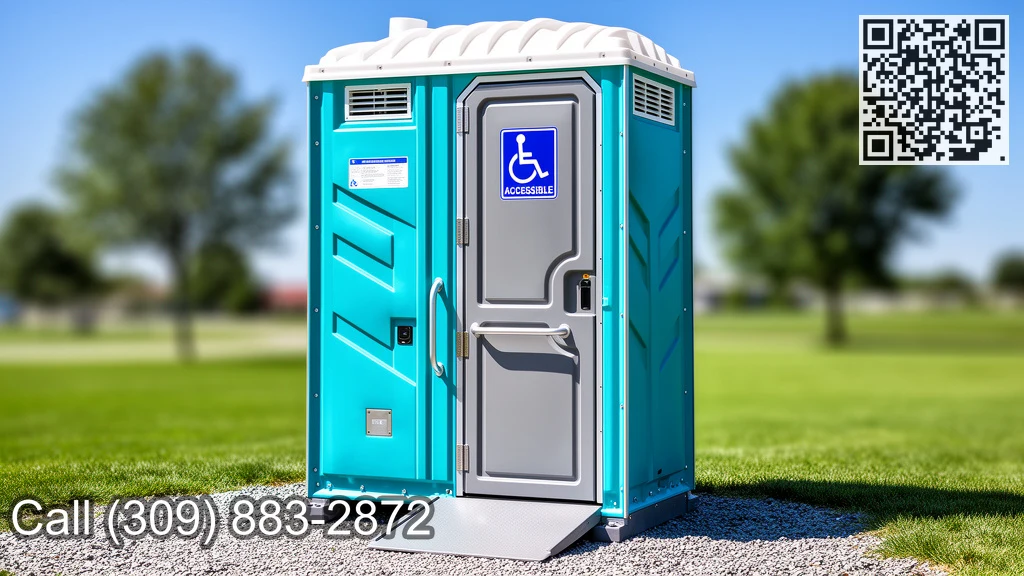
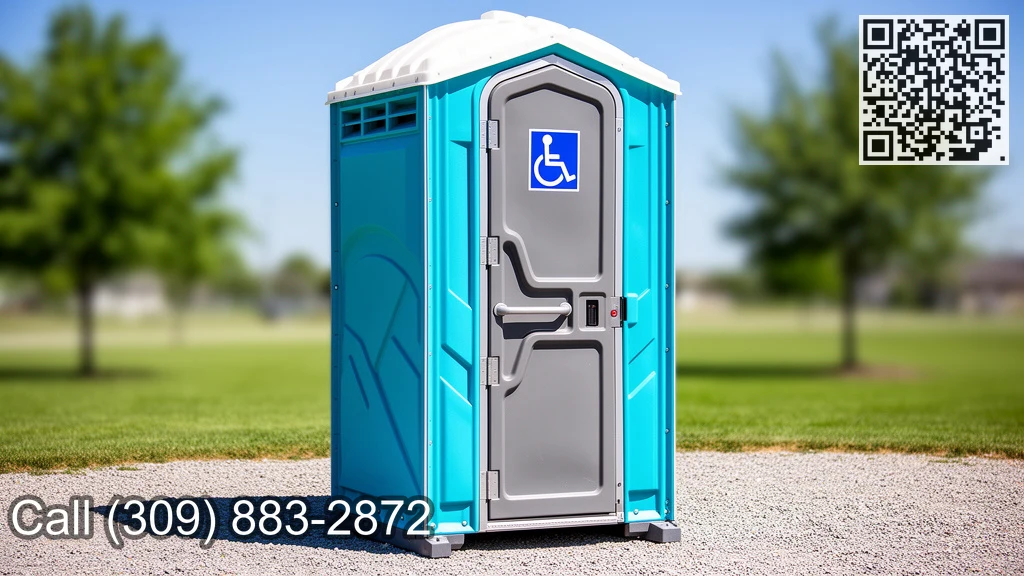
Verify that the accessible device is in fact identified. An ada certified mobile bathroom ought to show the International Icon of Accessibility.
-
Check the approach, not just the restroom. The ada mobile restroom must have an available path and available entryway, and any type of ramp or landing that is required has to meet ADA technical requirements.
-
Ask whether the system fulfills toilet-room technological requirements. That includes transforming space, component clearances, door maneuvering clearances, and suitable grab-bar and water-closet clearance rules.
-
Recheck the last positioning after delivery. A certified unit can end up being noncompliant if the website problems, barriers, or short-lived format change after installation.
That listing is brief deliberately. The job is in the follow-through.
Why the 5 percent regulation is worthy of more focus than it gets
People usually hear that they need "an ADA system" and quit there. The even more exact inquiry is the number of obtainable units are required in each cluster. The Gain access to Board assistance is direct on this point. For collections of portable single-user toilet systems, at the very least 5 percent has to be accessible, which applies even at temporary events.
This issues for festivals, outside weddings, institution functions, sporting activities events, charity runs, public conferences, emergency action websites, and seasonal attractions. It additionally matters at big personal occasions when mobile toilets are given to guests or attendees. If there are several restroom banks spread out across a site, deal with each collection seriously as opposed to assuming one accessible unit somewhere on the home addresses the issue for everyone.
A common real-world error is streamlining the only ada portable bathroom far where people gather, while other collections stay standard-only. That develops a sensible accessibility issue also prior to anybody starts speaking about technical compliance. People do not experience toilets as abstract counts on paper. They experience distance, surface area problems, congestion, and whether they can go into with self-respect without asking for help.
It is likewise worth reviewing the narrow exception carefully. The older 1991 basic recognized mobile commode systems at building websites used specifically by building and construction workers from the common portable-toilet availability scoping demand. That does not produce a broad loophole for basic rentals. If your situation is a general public-facing mobile commode rental, the accessible-unit demand remains the essential rule.
The most overlooked part of an ada compliant mobile toilet is usually the ground beneath it
On paper, numerous vendors can give ada compliant accessible mobile bathrooms. On site, conditions tell the actual story. I have seen otherwise appropriate devices provided almost pointless by positioning choices that looked safe at first glance. A couple of added feet right into turf. A mild incline near a fencing line. A short-lived floor covering that moved after one hectic mid-day. A row of crowd-control obstacles that tightened up the entry approach.
The ADA standards do not stop at the wall surfaces of the system. The accessible portable toilet needs to have an obtainable path and obtainable entry. If a ramp or landing is needed, it must abide by the ADA technological needs. That implies access starts where the user comes close to the system, not where the door starts.
For coordinators, this is where empathy issues. A mobility device individual, someone utilizing a pedestrian, an older grownup with balance constraints, or a moms and dad assisting a handicapped relative need to not have to navigate mud, ruts, sudden level adjustments, or makeshift ramps that feel unpredictable. Even when a site is temporary, the experience needs to really feel deliberate and safe.
This is likewise why last-minute relocations are entitled to scrutiny. Sometimes another vendor shows up and needs room for camping tents, generators, barricades, or food service. The easily accessible unit obtains nudged to the edge of the website since it is larger. That single decision can break the route, develop an uncomfortable turn at the door, or position the device where a needed touchdown is no longer convenient. Every move must activate another access check.
What to validate inside the device, also if you rely on the vendor
Most rental customers are not expected to memorize the technical sections of the ADA. Still, you must recognize what classifications to ask about. The Accessibility Board support mentions that mobile accessible systems need to fulfill toilet-room technical needs, including component clearances, transforming space, and door maneuvering clearances, along with suitable grab-bar and water-closet clearance rules.
Those phrases can sound completely dry until you think of what they stand for in technique. Turning area influences whether a person using a movement device can rearrange inside the system. Door navigating clearance influences whether the user can open up, handle, and travel through the door without a wrestling suit. Component clearances and water-closet clearances identify whether the toilet can really be come close to and used. Get bars are not optional comfort attributes. For numerous individuals, they are what makes independent use possible.
This is where advertising language can mislead. A provider might describe a system as a "big" or "mobility device" portable bathroom. Size alone does not respond to the conformity inquiry. An ada handicap obtainable portable toilet requires the needed accessibility functions and clearances, not just a larger covering. If a vendor can not confirm that the unit satisfies the relevant toilet-room technical requirements, time out there. Larger is not the same as compliant.
The recognition piece matters too. Obtainable mobile commode units have to be marked with the International Symbol of Accessibility. That seems basic, however it offers a functional objective. At hectic occasions, individuals need to locate the appropriate unit rapidly, particularly in inadequate lighting, in groups, or when signs somewhere else is irregular. Noting also aids team direct site visitors effectively without confusion.
Temporary events are not exempt due to the fact that they are temporary
This factor shocks people every season. A one-day reasonable, weekend fundraiser, or brief festival can really feel also momentary to activate major design reasoning. The Gain access to Board specifically states that the 5 percent accessible-unit rule applies even at short-lived events. Short period does not get rid of the access obligation.
In functional terms, short-term sites commonly require a lot more preparation, not less. Permanent buildings a minimum of have actually established paths and surface areas. Temporary websites introduce variables that move hour by hour, including climate, equipment traffic, fence changes, and hurried setup staffs. A course that seemed obtainable at 8 a.m. Can come to be obstructed by noon. A delivery group may establish the ada certified portable toilets appropriately, then an additional contractor stacks supplies close by and tightens the approach. Conformity is not iced up presently of delivery.
This is why the best occasion managers do one last stroll after every supplier has actually completed establishing. They do not simply search for whether an ada portable washroom exists. They examine whether a person can reach it, enter it, and use it under actual event conditions.
Questions worth asking before you schedule the rental
A thoughtful conversation with the rental firm can prevent most problems. You do not require to play examiner. You do need to ask direct, plain-language inquiries and listen for straight, plain-language answers.
Ask whether the vendor can supply an ada certified portable toilet that meets the ADA technical demands relevant to portable bathroom rooms. Ask the number of devices in your cluster will be accessible based on your total count. Ask whether the supplied device will display the International Icon of Accessibility. Ask what website conditions they need from you to keep an accessible path and entry. If a ramp or landing may be needed, ask who is responsible for making sure that those features comply with ADA technical requirements.
The high quality of the answer tells you a whole lot. Experienced providers have a tendency to answer without hedging, and they typically change the conversation to website conditions swiftly since they know the course and positioning are where numerous work fail. Vague peace of mind such as "our handicap system is the large one" needs to make you reduce down.
If you are handling ada portable commode service for a public entity, an institution, or a large event, record what was ordered and where it will be put. Access mistakes usually begin as interaction mistakes. One person orders the accessible system, another person alters the website map, and a 3rd individual guides the configuration crew without seeing the agreement notes.
When one obtainable device is technically existing yet functionally unusable
This is the circumstance that triggers the most stress since it looks certified from a range. The easily accessible device exists. It is bigger. It has the appropriate icon. Yet users deal with it because the path goes across harsh ground, the entryway location is cramped, or the door clearance is blocked by another object.
Here are several of the failing patterns that appear again and again:
-
The accessible system is provided, yet the course to it is blocked by secure fencing, garbage can, parked devices, or stored event supplies.
-
The website adds a ramp or touchdown, yet no one checks whether that function meets ADA technological requirements.
-
The available unit is put in a collection, then changed after distribution to fix a layout trouble elsewhere.
-
The supplier gives a larger device, yet no one verifies that the essential transforming room, navigating clearances, and suitable component guidelines are really met.
-
The device is accessible in daylight on a dry arrangement day, after that weather condition or foot web traffic changes the strategy conditions before the public arrives.
None of these failures need negative intent. The majority of come from rush, presumptions, or fragmented duty. That is why a brief checklist and a last walk-through can do a lot good.
Choosing language very carefully when you communicate with vendors and teams
Search terms and market jargon can obtain untidy fast. You will certainly see phrases like ada certified mobile washrooms, ada-compliant mobile toilets, ada certified portable bathroom, ada-compliant mobile commode, ada accessible mobile washroom, and ada handicap obtainable mobile restroom made use of mutually on the market. For sensible purposes, the wording matters less than the substance. What matters is whether the system and its positioning satisfy the ADA requirements and assistance that apply.
Still, precision aids. When speaking to vendors or interior teams, request an available portable system that complies with ADA demands, and then link the demand to the specific issues you require verified: quantity in the collection, icon marking, accessible path, obtainable entrance, any type of required ramp or landing compliance, and the toilet-room technological needs. Clear language reduces the possibility that a person listens to "accessible" and thinks you just imply "larger."
A note for construction-related rentals
Construction setups are one area where individuals frequently duplicate half-remembered rules. The validated context right here is narrow and vital. The 1991 typical prominent mobile bathroom units at construction websites used exclusively by building and construction employees from the portable-toilet access scoping requirement reviewed in that requirement. That does not mean every construction-related service is immediately outdoors accessibility assumptions in every scenario, and it certainly does not transform the fundamental rule for general portable bathroom rentals. If your units are for the public or for a basic occasion setup, do not rely on construction-site https://stepheneypa065.valoradigest.com/posts/picking-an-ada-available-portable-washroom-rental-for-public-usage assumptions.
When a task has actually blended uses or overlapping target markets, that is the minute to get details and careful rather than casual. Broad assumptions are expensive.
Accessibility compliance is being seen in a wider way
Portable washroom accessibility does not exist in a vacuum cleaner. The wider conformity setting remains to move. One recent instance is the Division of Justice support provided in April 2026 that prolonged the due date for sure state and local government internet and mobile access rules to April 26, 2027 for larger entities. That update was about electronic ease of access, not mobile bathrooms, but it mirrors something essential: ADA compliance is active across industries, and companies are anticipated to take accessibility seriously in multiple parts of operations.
For managers and public entities, that bigger background transforms the tone of these decisions. Ease of access is no longer treated as a side concern that can wait until somebody grumbles. It is increasingly approached as a standard planning duty. Portable cleanliness should be managed with that said exact same mindset.
The useful standard to aim for
If you are trying to make an audio choice without getting lost in legal language, use an easy examination. When your site opens up, can an individual that requires the accessible system find it, reach it, enter it, and use it with the attributes and clearances the ADA calls for? If the solution is uncertain at any factor, keep checking.
That is the genuine value of planning in advance. An ada portable restroom is not just a line thing in a rental arrangement. It belongs to whether guests feel thought about, whether attendees can remain for the full occasion, whether families avoid difficult workarounds, and whether coordinators execute their duties with care.
The best arrangements rarely draw attention to themselves. Individuals just use them without rubbing. That quiet success is what accessibility should feel like.
 Ask ChatGPT
 Ask Grok
 Ask Perplexity
 Ask Claude
 Ask Google AI
 Ask You